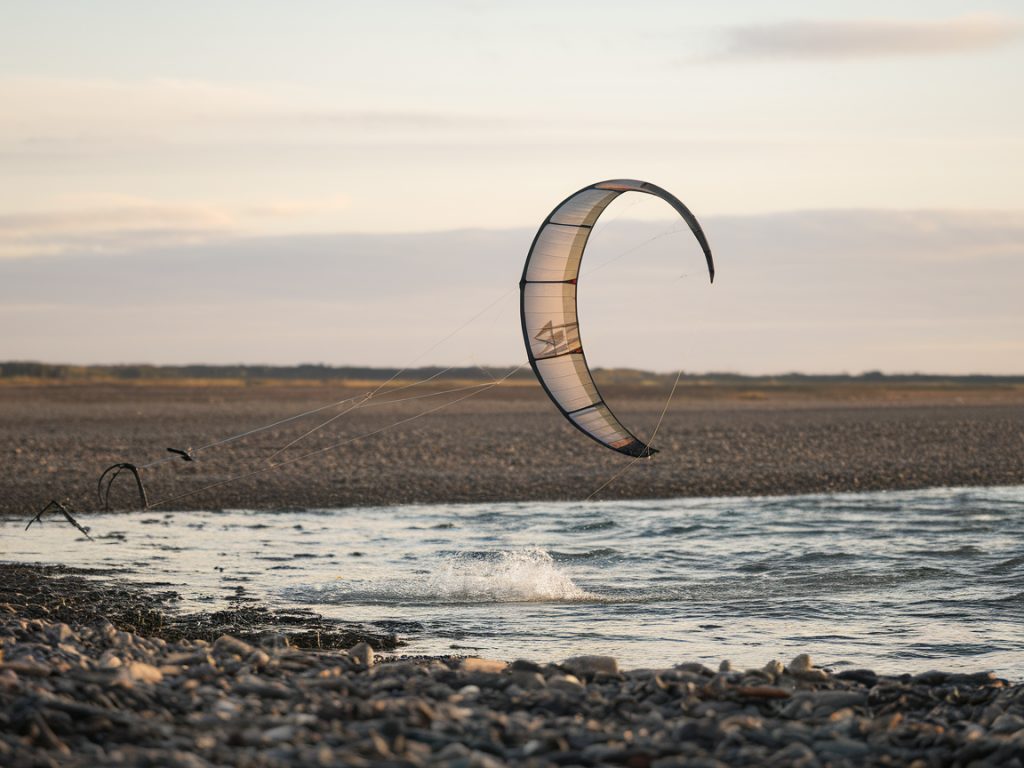
I’d been fighting kite-tailing for months on exposed pebble spits before I finally fixed it by switching to a 20g sliding bomb and a 50lb fluorocarbon leader. It felt like one of those small, stubborn problems that becomes huge the more you fish—lost casts, tangles, and fish spooked by a line slapping the water. In this piece I’ll walk you through what kite-tailing actually is, why that combo worked for me, the exact rig I now use, and practical tips so you can try it on your next spit session.
What is kite-tailing and why it matters on pebble spits
Kite-tailing is when your mainline (or leader) comes off the spool or floats/peregrinates above the water during a cast, creating a slack loop that lands behind the sinker and leads to wraps, tangles or a noisy slap when it hits the water. On pebble spits—long, low-angled beaches where wind and current can be unforgiving—kite-tailing is a regular menace because:
Left unchecked, kite-tailing costs you distance, accuracy and more importantly, bites. The fish notice the splash or the unnatural presentation. For me the constant faff of re-casting and the risk of losing rigs made it clear I had to change something fundamental in my setup.
Why a 20g sliding bomb?
The sliding bomb is a popular choice for shore anglers because it’s aerodynamic, sinks quickly when needed, and gives a clean, controlled cast when set up correctly. I moved to a 20g weight specifically for several reasons:
My go-to is a slim Preston-style sliding bomb or a similar profile from Korum. What matters more than the label is the shape and the weight balance with the rest of the rig.
Why a 50lb fluorocarbon leader made the difference
Fluorocarbon is denser and sinks quicker than monofilament, and it’s far less visible in the water. But the part that fixed kite-tailing for me was moving to a heavy-duty 50lb fluorocarbon leader—not because I was worried about big predators, but because of the way it behaves on the cast.
I used 50lb Sunline FC and also tested Seaguar—both gave the same practical benefit. If 50lb sounds overkill, think of it as a behaviour choice: you’re choosing a leader that controls line movement rather than one that simply matches fish size.
My exact rig (step-by-step)
Here’s the setup I’ve been using for several months with great results on exposed spits.
When rigging, keep knots low-profile—trim tag ends close. The shorter, heavier fluoro leader acts as a “control rod” between the braid and the sliding bomb; the bomb slides freely over the leader, but the leader itself resists whipping, so it stays in line behind the sinker during flight.
What I changed about my casting and setup habits
It wasn’t just the gear—small technical tweaks made the solution reliable:
Common questions I get about this setup
In practice, the fluorocarbon’s refractive index makes it much less visible than mono of the same diameter. The trade-off is thickness vs behaviour; here behaviour wins because a controlled presentation equals more bites.
Only if you’ve got loose knots or the bomb’s attachment isn’t smooth. Use a small swivel or a proper sliding ring and keep leader connection tidy. In a year of using this setup I’ve had far fewer tangles than with a bulky grip lead and thin mono leader.
Not when your technique is right. The aerodynamic shape and the slightly heavier leader for control actually helped me keep consistent distance in crosswinds. If you need to punch beyond 80–90m regularly, you might up the weight slightly but expect different behaviour—test on a calm day first.
Quick troubleshooting checklist
| Problem | Quick fix |
| Line trailing behind sinker | Shorten leader to 1.5–2m, increase leader breaking strain to 50lb or ensure fluoro is properly attached |
| Frequent wraps | Check knots; use slimmer knot profiles; lower rod angle on forward cast |
| Distance loss | Check spool tension, fine-tune thumb control, try slightly lighter braid diameter |
Switching to a 20g sliding bomb and a 50lb fluorocarbon leader didn’t feel like rocket science, but it felt like finally addressing the root cause instead of endlessly fiddling with cast technique alone. On those long, exposed spit sessions where the wind and tide are working against you, that combination gives you control: the sinker flies true, the leader behaves, the presentation is clean—and most importantly you spend less time untangling and more time fishing.