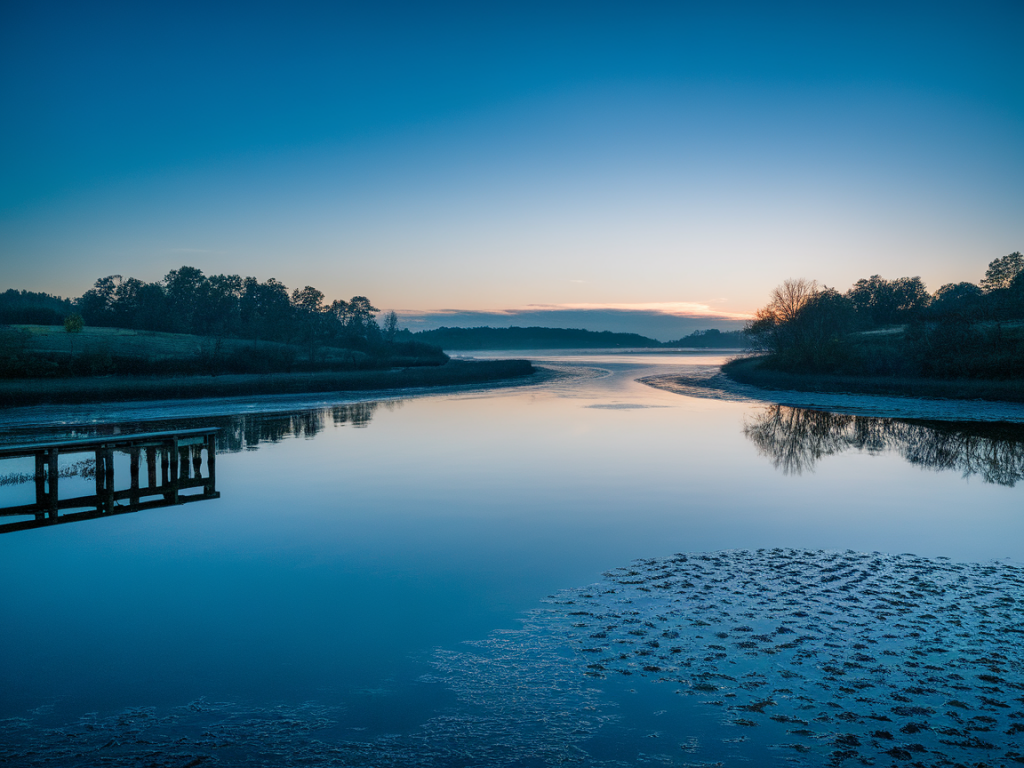
There are mornings when the estuary mouth looks like someone flipped a coin and the sea chose "empty": flat water, no bait flicks, and that sinking feeling that today's session is going to be a long, cold lesson in patience. This particular morning, I left my house with 90 minutes of pre-dawn to spare and a checklist that’s become ritual for me. By the time the sun pushed up over the headland, I’d landed double-figure bass — a reminder that the small rituals, done well, tilt the odds in your favour.
Why 90 minutes matters
90 minutes gives me a buffer to set up without rush, read the tide and light, and adapt my approach if the estuary looks lifeless. It’s long enough to warm up rigs, put a few casts in before the light changes, and cover different presentations without burning daylight. When you fish coastal waters, timing around tidal movement and light often beats brute force tactics — and pre-dawn is when bass are most active around estuary mouths.
The checklist I ran that morning
I keep this on my phone and a laminated print in the car. It's simple, tactical, and designed to prevent the little mistakes that ruin trips.
Going through that list slowly keeps me calm. I check line knots twice, because nothing wastes time like re-tying a snapped knot in the dark.
How I read the estuary in low light
In the half hour before dawn I’m watching three things: the surface, the birds, and the sound. Surface looks tell you about current speed and direction — slow-moving ribbons mean fish can hold station, while chop suggests they’ll sit down behind structure. Birds are my natural fish-finders; gannets or gulls working a patch almost always signals bait and, by extension, predators.
Sound might seem funny, but estuary mouths have a unique acoustic signature. A strong, hollow-sounding swell slamming the bar tells me the bass like to stack in the lee; a soft, slapping tide often means they’ll be cruising the outer edge. That morning the birds were quiet, but I could hear a hollowing surge on the bar — a cue to work the edges with lures that ride high and flash.
My go-to rigs and why I choose them
I keep a small selection of rigs tied and labelled. It saves time and avoids guesswork when the light is changing.
| Rig | When I use it | Details |
|---|---|---|
| Flapper | Fast-moving tide; clear water | 3–4oz lead, 60–80cm trace, size 2/0-3/0 hook |
| Paternoster | Moderate tide; fishing bait | 2–3oz dropper, 40–60cm trace, size 1/0-2/0 |
| Light lure rig | Dawn and dusk topwater work | 10–30g jighead, soft plastics or shallow-diving plug |
That morning I started on the light lure rod with a small shallow-diving plug — a Rapala X-Rap in shad colours — because I wanted to cover water quickly along the face of the bar. When I didn't get an immediate response I switched to a soft plastic on a 15g jighead and worked the gutter. The double-figure haul came after moving to a heavier flapper set-up and fishing the channel edge as the tide pushed in.
Lures, bait and brand notes
Specific brands aren’t magic, but reliability matters. I trust Daiwa reels for smooth drags in salt, and rods around 12–14ft in the 10–80g class for versatility. For lures, the Rapala and Savage Gear soft plastics are staples in my box. On days when the water is stained, a larger, louder lure like a Savage Gear LB Shad or a 40g bucktail can trigger reaction strikes.
Bait-wise, fresh mackerel strips or ragworm are the bait-of-choice for me at estuary mouths. I pack a small cooler with ice to keep bait fresh through the morning. That day I kept a few small chunks of mackerel on a paternoster at the edge of the channel and it pulled fish out of the deeper water.
Adaptive approach: switching when nothing’s happening
My rule is 20–30 minutes per tactic when the bite's quiet. If topwater and small plastics don’t produce, I upsize or switch to bait. If the current strengthens, I move to heavier leads and fish the flapper hard against the flow. It’s rare for one method to work all morning; being willing to adapt is the advantage. On the morning in question, three different tactics produced fish: topwater early, small plastics through the middle, and then cut-bait on a flapper as the tide pushed in.
Handling, measuring and getting fish back safely
I carry a soft, wet towel, a pair of forceps, and a measuring mat. For bass, I aim to handle them as little as possible; wet hands, quick photos, measure, and then back they go. If I plan to keep something (rare for bass), I follow the local bag limits and regulations; I also always report any unusual marks or diseases to local groups. Respecting the shore and the fish is part of why I started Fishing In Wales Co. — you can find more of my local ethics and spot guides at https://www.fishing-in-wales.co.uk.
What I learned that day
Three small habits made the difference: a calm, systematic pre-dawn checklist; readiness to switch tactics; and a focus on the edges where the current met structure. The double-figure day wasn’t purely luck — it was compounding small choices that multiplied my opportunity. Most of all, it reinforced a lesson I repeat on this blog: prepare like you’ll be measured on the little things, and the big moments take care of themselves.
If you want, I can share the exact rig diagrams I used that morning, with knot types and leader lengths — just say which rig you'd like to see first. Tight lines and see you on the bank.