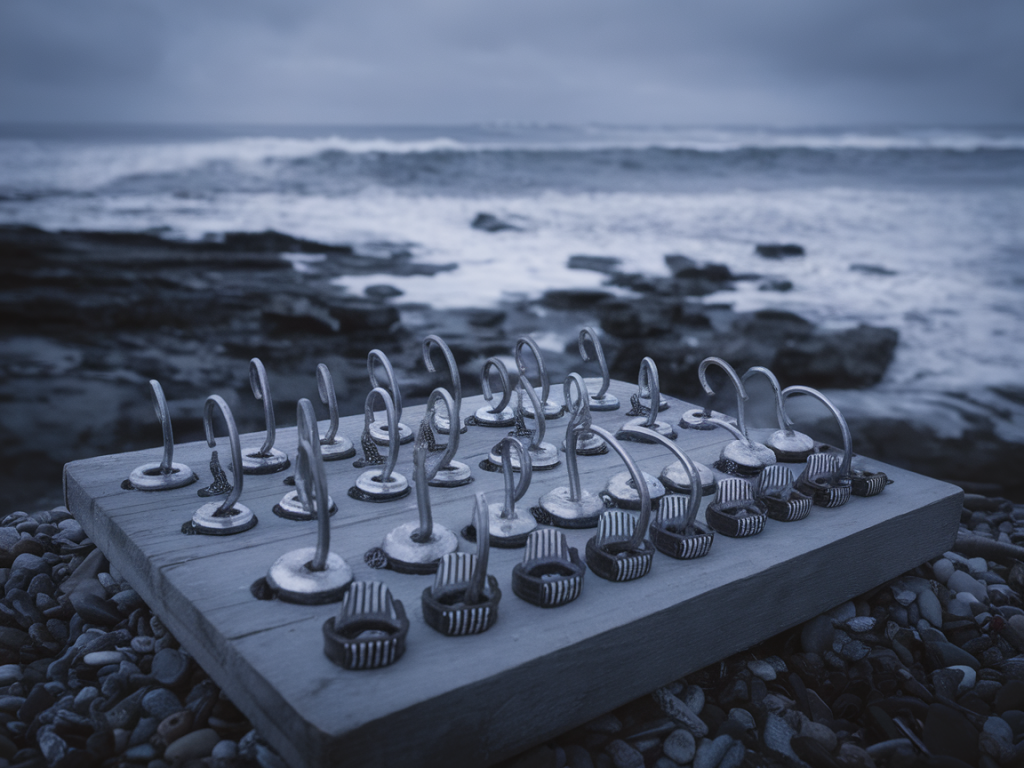
I’ve lost count of the times I’ve watched a bait roll helplessly along a tidal ledge, or seen it snagged on the next swell because my sinker was either too light to hold or so heavy it bounced the bait into the weed. Getting sinker weight right on tidal ledges is one of those small, technical wins that makes shore fishing feel professional — and it saves you time, tackle and frustration. Below I share the exact sinker-weight guidance I use on Welsh ledges, plus practical tips for rigs, casting and reading tides.
Why sinker weight matters on tidal ledges
Tidal ledges are tricky because you’re dealing with a combination of strong lateral currents, variable water depth as the tide pushes in and out, and uneven seabed contours that can catch your rig. The right sinker weight:
How I determine the precise weight
I make decisions based on four simple variables: tide speed, distance to the ledge drop-off, rod-power and line class, and target species/expected bites. I rarely guess — I measure or estimate tide speed (fast tides > 2.5 knots, medium 1.5–2.5, slow <1.5), check depth on a chart or by previous casts, and match sinker mass to the combination of force and distance.
Sinker weight table for tidal ledges (my go-to guide)
| Rod & Line | Tide Speed | Distance to Ledge / Cast | Recommended Sinker Weight | Notes |
|---|---|---|---|---|
| Light rod (10–14lb line) | Slow (<1.5 knots) | Close (0–25m) | 1–2 oz (28–56 g) | Small bullets or 1–2 oz rubber-core grips; good for pollack, wrasse close in. |
| Light rod | Medium (1.5–2.5) | Medium (25–45m) | 2–3.5 oz (56–100 g) | Use pear or torpedo sinkers to reduce roll. |
| Light rod | Fast (>2.5) | Long (>45m) | 4–6 oz (112–170 g) | Be cautious — may need heavier brackets or stronger shock leader. |
| Medium rod (15–20lb) | Slow | Close | 2–3 oz (56–84 g) | Good balance for bass and cod on a calm push. |
| Medium rod | Medium | Medium | 3.5–5 oz (100–140 g) | My common general-purpose choice for tidal ledges. |
| Medium rod | Fast | Long | 5–8 oz (140–225 g) | Torpedo or flat pear to hug the bottom in strong flows. |
| Heavy rod (25lb+) | Slow | Medium | 4–6 oz (112–170 g) | For larger cod and long casts when you want to stay anchored. |
| Heavy rod | Medium | Long | 6–10 oz (170–280 g) | Often needed on exposed Welsh points with strong tidal race. |
| Heavy rod | Fast | Long/Very long | 10–16 oz (280–450 g) | Use only with strong rods and braided mainlines; consider groundbaiting with caution. |
Why shape matters as much as weight
Shape affects how a sinker behaves in a current:
Practical rig suggestions
I use a few rigs repeatedly because they’re forgiving on ledges:
Examples from the Welsh coast
On a recent evening at a rocky point near Cardigan Bay, the tide change pushed quickly and I needed the bait to stay near a 4–6m ledge. Using a 15–20lb medium rod with 3.5–5 oz torpedo sinker kept my bait holding while allowing natural movement. When I tried a 2 oz sinker earlier, the bait rolled into a patch of kelp and I lost the hooklink.
On a fast spring tide near St Davids Head, I switched to a 10 oz flat pear on a heavy rod and braid. That extra mass allowed the rig to sit in the shelf and I had multiple bass and a nice cod that evening. Had I used lighter weights I’d have been fighting the tide instead of the fish.
Tips to fine-tune on the bank
Recommended tackle & brands I use
I frequently use Korum and Dinsmores sinkers for their reliable shapes, and Fox for anti-tangle gear. For braid I like a 0.16–0.20 mm for medium rods and 0.20–0.30 mm for heavy sessions — paired with a 20–40 lb fluorocarbon shock leader depending on the sinker mass.
When you should go heavier (and when not to)
Choose heavier weights when:
Avoid too-heavy sinkers when:
These rules have saved me countless rigs and improved my catch rate on Wales’ unpredictable ledges. If you want, I can turn this into a printable pocket reference for your tackle box (weights in grams and ounces) or show a few rig photos from my own kit — just tell me which ledge or species you’re targeting next and I’ll tailor the table.