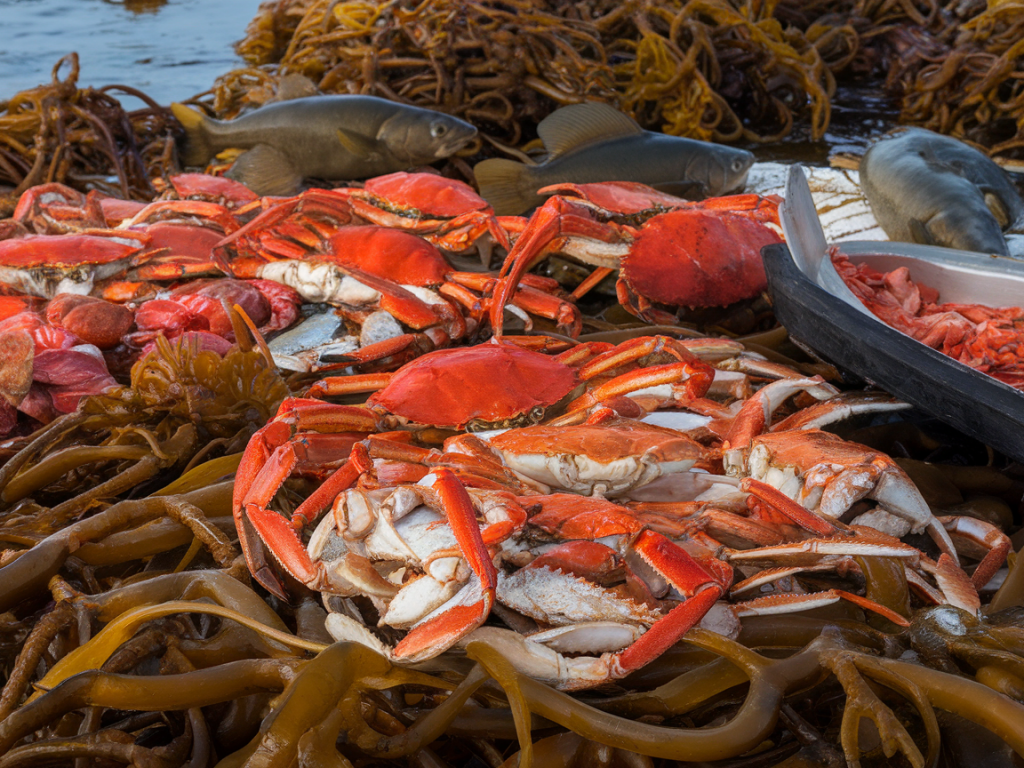
Winter in Wales brings cold water, clear tides and hungry cod pushing into bays and kelp beds. For me, peeler crab is one of the most reliable baits for getting bites from big winter cod — if it’s prepared and presented correctly. Below I share my step-by-step winter peeler schedule: how I prepare, freeze and present crab so you stand the best chance of landing a cod on kelp-strewn beaches.
Why peeler crab in winter?
Peeler crab (soft-backed crab that’s about to moult) is oily, fragrant and has a soft texture that stays on the hook well. In cold months cod are less picky and will happily take a large, oily offering that advertises itself on the tide. The scent plume is key — which is why how you prepare and store the peeler matters more than you might think.
Equipment and kit I use
I like to keep this part simple and repeatable:
Having reliable tackle from known brands makes consistency easier when you’re out in poor light and cold hands. I favour Owner hooks for their sharpness and strength, and a simple Feeder/ledger set-up that allows the bait to sit naturally among kelp.
Step-by-step peeler schedule
Below is the schedule I follow through a week leading up to an outing, and on the day itself. It’s designed to preserve scent, texture and durability so the peeler attracts cod but also stays on in a kelpy, surf-swept environment.
| Day | Action | Notes |
|---|---|---|
| 7 days before | Source fresh peeler crab | Buy locally from market or a reputable supplier. Aim for crab that’s just starting to feel soft — not mushy. |
| 6 days before | Rinse and gut | Remove gills (dead man’s fingers), rinse well in cold water, remove stomach contents to reduce spoilage. |
| 5 days before | Portion and flash-freeze | Portion into sizes for single-hook bait or double-hook baits. Lay flat on a tray and flash-freeze for 6–8 hours. |
| 4–1 days before | Vacuum-seal and store | Vacuum sealing preserves aroma and texture. Keep in the freezer until outing day. |
| Outing morning | Thaw slowly in fridge or cool box | Thawing slowly keeps the meat firm and prevents excess water loss. Do not microwave. |
| On the bank | Final shaping and hook-up | Shape bait to sit natural on the hook. Use elastic or bait glue sparingly to secure in kelp. |
Preparing the peeler: the details
Start by ensuring the crab is alive or extremely fresh. I’m fussy about sourcing — fishmongers who supply local pots are my go-to. Immediately after purchase:
For portioning, I break the body into 1–2 large chunks for single large hook or a pair of claws plus body pieces for two-hook presentations. I leave the shell partially intact when possible because it holds scent near the meat and helps the bait last longer among kelp.
Freezing and vacuum sealing
Flash-freezing before vacuum sealing is a small step that pays off. Lay the portions on a tray so they freeze solid individually — this preserves shape and prevents thaw-stick together. Once rock solid I use my FoodSaver to vacuum-seal portions. The vacuum seal does three things:
If you don’t have a vacuum sealer, double-zip bags with as much air squeezed out as possible will do. Keep the bait in the coldest part of your freezer until the day.
Thawing without killing scent
Thawing slowly is critical. I move packs from freezer to fridge the night before, then into a cool box on the morning of the trip. Leaving sealed packs in cold water (in their bag) for 30–60 minutes will bring them to tacky but not slushy — the ideal state for hooking. Never fully warm them; cod are attracted to that cold, oily scent.
Hooking and presenting peeler in kelp zones
Kelp-dense bays require baits that won’t be ripped off by weed or cast-snagged. My presentation depends on the tactic:
Presentation tip: Make sure the least amount of shell is protruding into the water. A neat, compact shape cuts through kelp and makes the crab appear more natural when fished close to the seabed.
Rigging specifics and hook sizes
In winter cod will take large baits — but balance is everything. Too large and casts become unwieldy; too small and you reduce attraction. I generally use:
Use squatts or swivel sleeves to reduce tangles when fishing two-hook paternosters near kelp. Keep leaders short (30–45cm) so the bait stays compact near the bottom where cod are feeding.
Handling legality, sustainability and a few practical rules I follow
Check local regulations on crab size and season where you source them. I only use legally-sourced peeler and avoid taking wild crabs myself if I’m unsure about local rules.
If you want, I can share printable checklists or a downloadable freezing/portioning template I use when prepping a batch of peelers for the winter season. Tight lines — and watch those kelp lines carefully, that first run is often the one that counts.