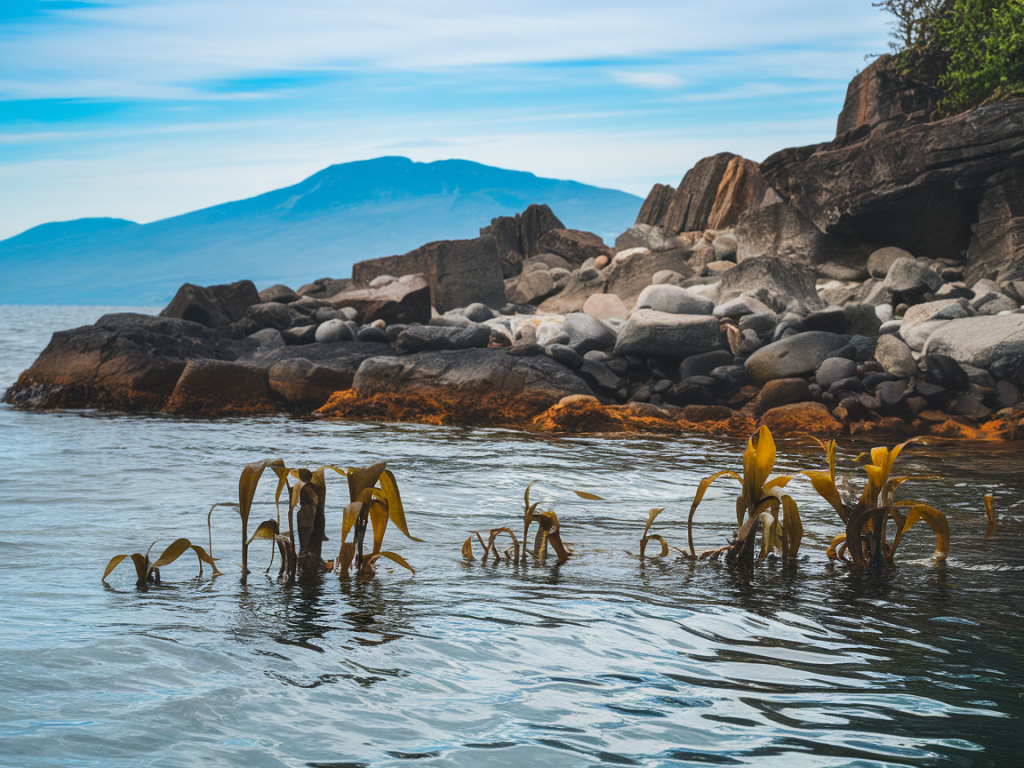
I watch kelp the way some anglers watch lines on their reels. On exposed rocky points where pollack hunt, the subtlest ripple, the way a frond flips or the direction of a kelp "stream" can tell me where a fish is lying in wait. Over the years I've turned that observation into a predictable read — not magic, just pattern recognition built from mornings spent under headlamp and afternoons standing in spray. Below I share how I read kelp movement to predict pollack ambush lanes from exposed rocky points, with practical tips you can use on your next session.
Why kelp movement matters
Kelp is essentially a natural current indicator. It responds to tidal flow, wind-driven surface currents and the turbulence created by underwater structure. Pollack like to hold in areas where they can conserve energy and let bait come to them — eddies behind boulders, the lee of a point, or in the calmer lanes between rough water and kelp beds. By observing kelp, I can find these calmer lanes and the transition zones where ambushes are most likely.
What I look for when I arrive
First thing, I scan the water from multiple vantage points. If I can, I climb the point to get a higher view — it’s surprising how many clues you miss at eye level. My checklist in the first five minutes is simple:
These quick checks orient me: are the fish likely holding tight to the rocks, or are they staging a few metres off in a channel created by the kelp?
Key kelp signs and what they tell me
Over time I’ve learned to translate visual cues into likely fish behaviour. Here are the most reliable signs I use:
Approach and positioning
Once I’ve identified a promising lane, I plan my approach to present lures or baits through that seam without spooking the water. A few principles guide me:
If the point is exposed and the surf is heavy, I pick a solid foothold, clip on a harness if I need one (I like the Rapala shore harness when waves are unpredictable), and keep my rod tip low during the retrieve to avoid hang-ups.
Rigs, lures and presentation
Presentation matters more than the colour of the lure. Pollack are opportunistic, and the right action in the right place will usually win. My go-to setups for kelp lanes:
I vary the retrieve according to kelp behaviour. In a tight seam I prefer a steady, medium-speed retrieve with occasional twitches to imitate a fleeing sandeel. In eddies or calm lanes I employ stop-and-go lifts to imitate a paused fish or injured bait.
Practical session: how I read kelp and fish the point
Here’s a typical sequence I follow on a dawn session:
Common mistakes to avoid
Reading kelp is easy to overcomplicate. These are the mistakes I see and try not to repeat:
Quick reference table: kelp signals
| Visible kelp behaviour | Likely current pattern | Suggested approach |
|---|---|---|
| Converging streams | Channelled flow / seam | Cast across seam, steady retrieve |
| Calm lane between beds | Protected ambush lane | Fish slow, use natural baits or soft plastics |
| Rotating fronds near rock | Eddy / shelter pocket | Short hops, vertical jigging or slow jig |
| Kelp leaning towards point | Outflow hugging point | Fish lee side, cast slightly up-current |
Seasons, tides and safety
Pollack are most active around spring and autumn when sandeels and small fish show in numbers, but they’re catchable year-round around rocky points. The key is matching tide strength to the structure: too little flow and nothing moves through the lane; too much and lures get dragged into the kelp. I aim for a steady incoming or outgoing tide with noticeable but not violent movement.
Safety note: exposed points can be dangerous. I always check tide times (and double-check local charts), wear a lifejacket if surf is heavy, and fish with a buddy when possible. Kelp can hide submerged rocks that look benign from above — if a spot looks sketchy, I don’t push it.
Final tips from the bank
Keep a log. I record kelp reads, tide, lure, and results. After a season you’ll begin to see patterns unique to your local points. Don’t be afraid to experiment: sometimes a different angle, a change in retrieve speed, or a small jig will turn follows into hookups. Most of all, be patient and take the time to watch. The kelp will tell you where the pollack want to sit — you just have to learn to listen with your eyes.