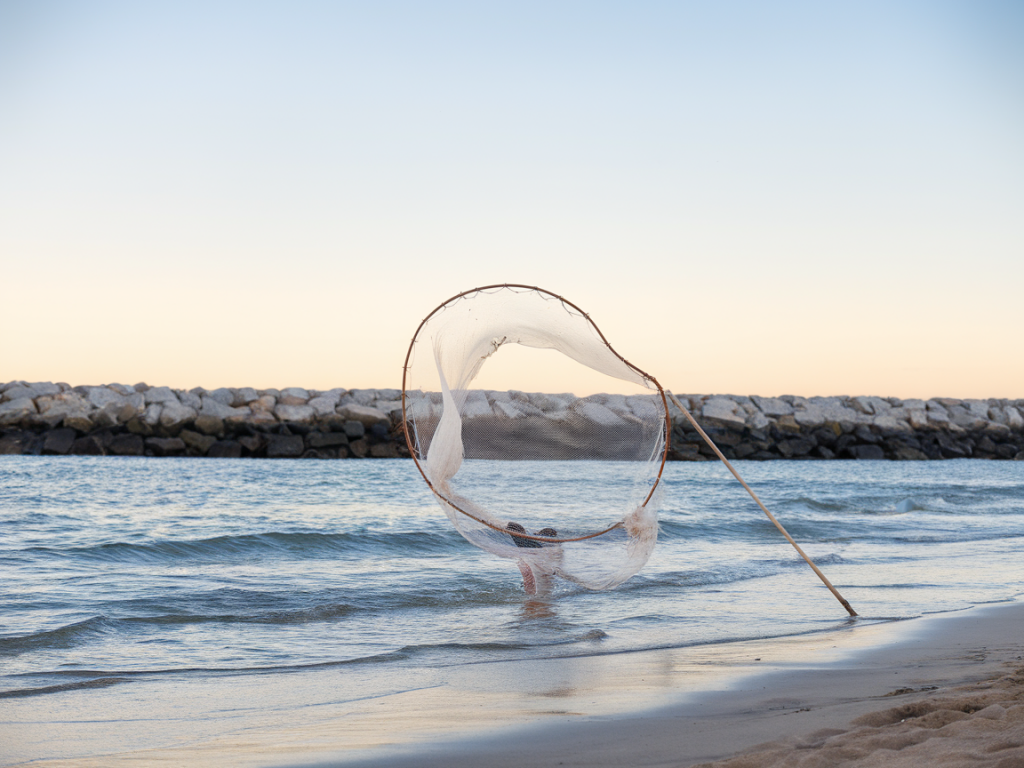
I fish a lot of different beaches around Wales, and over the years I’ve learned the hard way that local rules and simple common sense make the difference between a great day’s angling and a trip that upsets landowners, wildlife or other beach users. Below I share the practical etiquette and legal points I stick to for landing fish, collecting bait and gaining access to private beaches — the stuff I wish I’d known when I first arrived from Brittany.
Landing fish: where and how to bring them ashore
Landing big fish on a rocky or narrow beach can be awkward. My aim is always to land with the least impact on the location, keep other people safe and avoid blocking access. A few rules I follow every time:
Pick a sensible spot — avoid landing right in front of beach access points, narrow gates, or on top of foreshore habitats such as eelgrass beds and rockpools.Be visible — if you’re working a long-scale or gill rig near walkers, pop a high-vis jacket or flag so folks don’t wander into your casting area.Handle with care — use a landing net and keep the fish in the water where possible. If you must lift a fish for photos, cradle it with wet hands and keep lift time under 10–15 seconds for smaller species, longer only if you’re certain the fish will cope.Bleeding and filleting — if you need to kill and bleed a fish for table use, do it off the prime foreshore and away from paths. Take your waste away; do not dump guts or frames on the beach. I use a small filleting knife and a plastic bag to pack waste for the bin, or better, take it home for disposal.Most people don’t realise how off-putting fish frames and blood can be for dog-walkers and picnickers. Pack everything out and you reduce conflicts.
Bait collection: legal and ethical basics
Collecting your own bait is one of the best ways to connect with the coast, but there are rules and simple ethical habits worth observing.
Know the species — in Wales, some shellfish and crustaceans are protected or subject to size/season limits. Cockles, mussels, razor clams and winkles can have local harvesting restrictions and some areas (especially those that are SSSI or within an MCZ) ban collection entirely.Check local byelaws and MCZ/SSSI notices — councils, Natural Resources Wales (NRW) and local conservation groups post regulations. Before collecting, run a quick search or phone the local council to confirm what’s allowed.Use the right kit — hand rakes, small nets and a bucket are preferable to mechanical or damaging tools. Avoid disturbing bed habitats — take what you need and leave the rest to reproduce.Respect size and bag limits — where they exist, they matter. If you only need a few mussels or lugworm for a session, that’s a tiny take; dredging large quantities is often illegal or deeply inconsiderate.Hygiene and food safety — don’t eat shellfish from beaches with pollution warnings. Local authorities will issue closures when biotoxins or sewage contamination are a risk.When I collect lugworm at low tide, I take only what I’ll use and avoid digging thirsty channels that strand smaller creatures. I also keep an eye out for birds: if an area is feeding-ground for overwintering waders, I give it a wide berth.
Access to private beaches and landowner etiquette
Not every Welsh beach is common land. Some foreshore and access tracks are privately owned, and treating private property with respect keeps anglers welcome.
Always ask if unsure — if there’s a house, caravan site or farm with a gated track down to the beach, stop and ask the owner or tenant for permission before using it. A friendly conversation and a quick handshake goes a long way.Observe signage — if a gate has a “private” or “no unauthorised access” sign, do not proceed without permission. Signs often exist to protect livestock, nesting birds or private rights of way.Park considerately — do not block gates, driveways or farm accesses. Park as close to designated car parks as possible and avoid parking on verges that will be churned up by vehicles.Close gates and respect stock — if you pass through a gate, close it behind you. Livestock escapes cause real problems for farmers and can make landowners hostile to anglers.Pay for services where required — many small holiday parks or private car parks charge for parking; follow the payment method (honesty boxes, machines, apps). I always factor the small fee into my trip cost.On one South Wales stretch I fish regularly, the landowner has been generous in allowing access for years because I and a small group of locals keep the path tidy, park correctly and check gates. Those simple acts preserve long-term access far more effectively than any argument.
Special designations and seasonal restrictions
Wales has protected areas where additional rules apply. These can change seasonally as birds migrate or breeding starts.
SSSI (Site of Special Scientific Interest) — check boundaries and respect closed areas. Walking on sensitive dunes or disturbing nesting birds can be illegal.MCZ (Marine Conservation Zones) — certain fishing or bait-collection methods may be restricted inside MCZs.Seasonal closures — bird-nesting seasons, lambing on adjacent farmland or fisheries closures can all impose temporary restrictions.I keep a shortlist of emergency contacts (local council, NRW, the nearest harbour master) and check their websites before heading out for any notices or temporary closures.
How to approach other beach users and locals
Good manners keep angling low-impact and welcomed. I always try to be approachable and tidy; it pays off.
Be polite — a quick “morning” to walkers or dog-owners, and explaining where you’ll be casting if they plan to pass through the area, reduces annoyance.Keep dogs under control — if you’re near people walking dogs, avoid bait or fish at ankle height where dogs could snatch it.Share space — if a small beach has multiple anglers, offer realistic distances for casting and landing. Many of my best sessions come from cooperative sharing rather than territorial behaviour.Practical checklist before you head to the shore
| Check | Why it matters |
| Local byelaws / NRW notices | Avoid fines and protect wildlife |
| Parking options and fees | Prevent blocked access and upset landowners |
| Access gate etiquette | Keep gates closed and stock safe |
| Bait rules / protected species | Legal and sustainable bait collection |
| Waste plan (take everything away) | Maintain good relations with locals |
| Phone signal / emergency number | Safety for you and others |
Follow these points and you’ll not only reduce the chance of conflict or fines, you’ll help preserve the places we love to fish. On Fishing In Wales Co. (https://www.fishing-in-wales.co.uk) I try to include local notes on access and restrictions in my spot guides — but when in doubt, ask a landowner, check NRW notices or choose a more public beach. Respect gets you far more than a permit ever could.