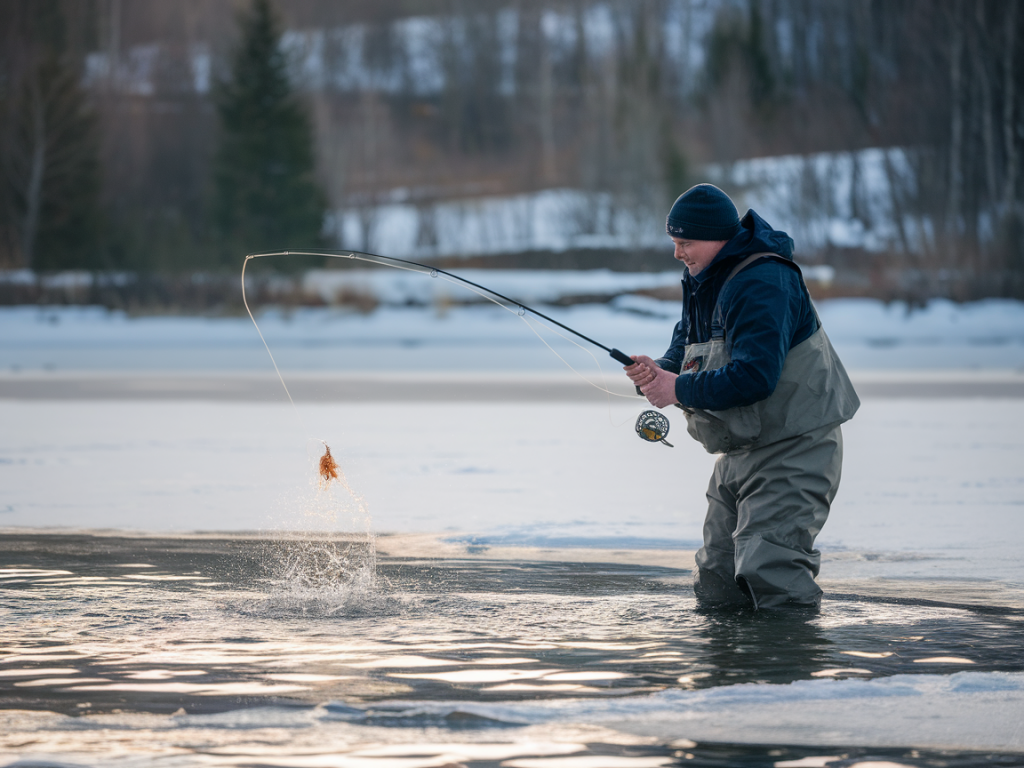
Winter cod in shallow Welsh bays have become some of my favourite early-morning prizes — slow, methodical fish that turn a quiet tide into a proper chase. One of the techniques that consistently helps me get more bites during the colder months is using scent and chum thoughtfully. In this guide I’ll walk you through how I use those tools responsibly: what works, what to avoid, the rigs and baits I favour, and how to keep our bays healthy while still targeting quality cod.
Why scent and chum help in winter bays
In winter, cod metabolism slows and they become less willing to chase. Small pockets of food — crab, sandeels, or fish scraps — can be the difference between a reluctant bite and a confident take. Scent acts as a long-range attractor and helps your bait smell like the local menu, while chum creates a localised feeding area so cod will congregate near your baited hooks.
From my time fishing Pembrokeshire and the Gower, I’ve found that scent and chum are most effective in bays where tidal flow is gentle to moderate. Strong currents wash scents and crumbs away too quickly, and in very shallow, flat bays the scent can spread too thin. Pick spots with a subtle current or an incoming tide that pushes scent toward a likely holding area — rocky points, sand-bottom gutters or kelp edges are ideal.
Legal and ethical considerations
Before I touch on tactics, a quick but important note: rules about baiting and chumming vary by location. I always double-check local bylaws and Marine Protected Area restrictions. In Wales you’ll often find specific rules around bait collection and discharges in protected areas. If anyone asks me, I point them to the local council or Natural Resources Wales website for the most up-to-date guidance.
Ethically, I follow three simple principles:
Choosing scent and chum types
Not all scents are equal. I split them into three categories I use interchangeably depending on conditions:
For me, a combination works best: a few spoons of ground chum to establish a feeding patch, plus aniseed-free liquid scent on the hooks to give that immediate ‘take me’ aroma. I avoid strong sweet or synthetic scents — cod respond better to natural fishy and crustacean smells.
How much chum to use — and how to deliver it
Less is often more. I don’t want to create a smelly smorgasbord that attracts every gull and seal for miles. My typical winter session plan looks like this:
Delivery methods I use:
Baits, rigs and terminal tackle
My go-to winter cod rigs for shallow bays are simple but strong. I want a setup that presents bait naturally while allowing the fish to pick up and move off without feeling resistance immediately.
Hook choice: circle hooks are excellent for cod in winter because they often hook in the corner of the mouth and reduce deep hooking. If I’m using strips (mackerel or herring), I’ll use a slightly larger 4/0 circle. For crab baits I step up to 5/0–6/0 and sometimes add a helper hook for larger chunks.
When to scent the bait and how often to reapply
I always scent the bait right before casting. A light bath in liquid scent for 10–20 seconds is usually enough — too much makes the bait artificial and can deter fish. For pelletised or rubber baits (like Gulp! sandeel), I rub a little scent into the surface.
Reapplication: every time you recast or at least every 30–45 minutes in cold water. Winter cold reduces scent dispersion, meaning you don’t need to drench baits as often as in summer, but freshness helps. If a fish takes the bait and you find the rest untouched, change the bait style or scent — cod can be picky.
Reading the water and adjusting tactics
Winter cod patterns can change from one bay to the next. I spend a lot of time watching the tide and the birds. A few cues I watch for:
Minimising environmental impact
Chumming responsibly means keeping the bay's ecology in mind. Avoid using non-native bait species as chum, don’t overfeed, and always pick up leftover packaging. I also avoid chumming near known nursery grounds or conservation areas. If seals or porpoises start congregating, I stop chumming immediately — they indicate you’re feeding the wider ecosystem beyond cod.
Lastly, practice good fish handling. Winter cod are tougher, but they still need care: use a knotless landing net, keep handling to a minimum, and return undersized fish promptly and gently.
If you’re planning a winter cod session in one of Wales’ beautiful shallow bays, these principles have helped me catch more fish while keeping the coast healthy. If you want, I can share a simple rig diagram or a short gear list for specific tackle setups in a follow-up post — just tell me the conditions you typically fish and I’ll tailor it.