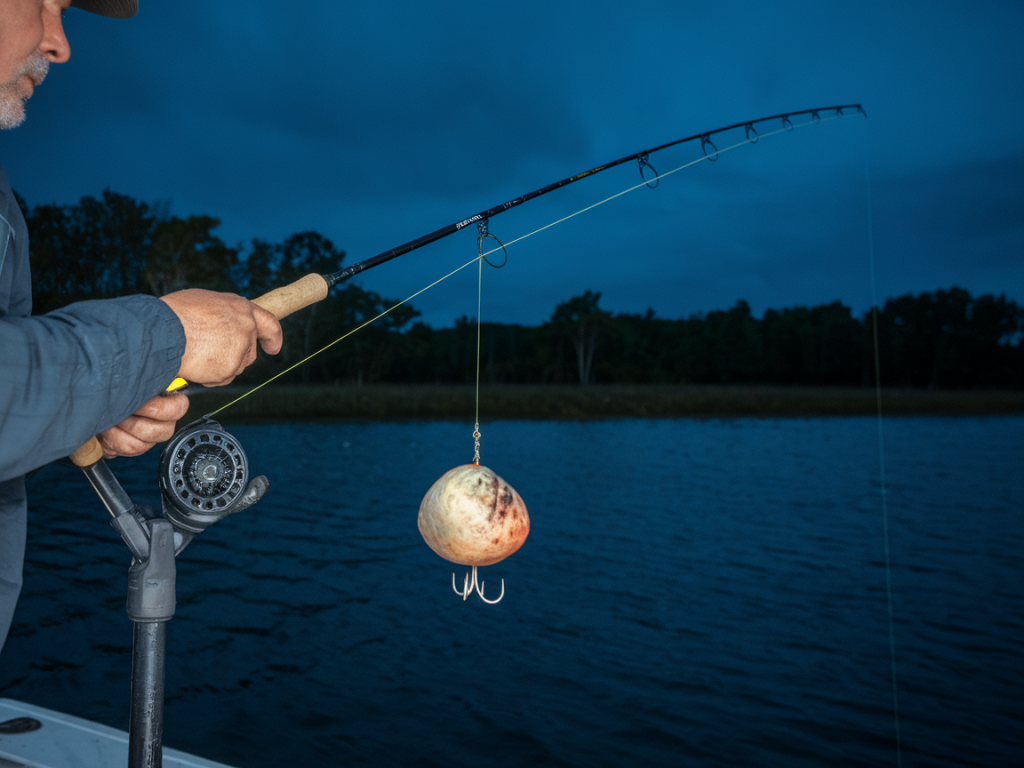
Windy nights are part of coastal angling — and so is the frustration when your leader kites and your hard-won hookset turns into a missed opportunity. Over the years fishing Wales’ rugged shores I’ve learned that a lot of kite-tailing and weak hooksets aren’t just about the wind: they’re about how your rod, line and rig work together. Below I share the tweaks I make to tune my rod action so the tip stays positive in a breeze and the hookset lands where it should.
What kite-tailing is — and why rod action matters
Kite-tailing happens when the wind lifts your running line and leader, creating slack or upward force that either buries the hook in weed or prevents the hook from penetrating when a fish takes. A rod’s action — where it bends along the blank — controls how line loads into the rod and how energy is delivered during a strike. A tip that's too soft will absorb the hookset; a tip that's too stiff will bounce the bite off or not give enough variable pressure to control the lead-in current. Tuning rod action means balancing tip and butt stiffness, reel drag, and the way you rig the bait so the rod helps, not fights, the situation.
How I choose the right rod on windy nights
I usually prefer a fast-medium action rod for most UK shore fishing in wind. Fast enough to generate a decisive hookset, but with enough give in the top third to keep constant pressure on a hooked fish. If you only fish with one rod, consider switching tip sections or using a slightly heavier test curve leader in gusty conditions.
- Tip stiffness: Look for a tip that’s responsive but not noodle-soft. Something that loads with 1–2 oz of pull from the running line is a good ballpark.
- Butt power: You want solid lifting power to stop a running fish in current, especially at night when visibility is low.
- Length: Longer rods increase line angle and can reduce the amount of kite-lift over your previously cast line; in heavy kite conditions I sometimes drop a foot of rod length.
- Interchangeable tips: If your rod has spare tips, pack a stiffer one for windy sessions. Shimano, Penn and Greys make sensible spare tips on many shore rods.
Practical adjustments I make before and during a windy session
Before the tide and after checking the forecast I run through this short checklist at the bank. It takes five minutes but saves dozens of missed bites.
- Lower the rod tip angle: Hold the tip lower to the water (10–20° lower than on calm nights). That reduces the lift on the running line and keeps the leader closer to the surface current.
- Tighten the spool slightly: Wind can create sudden slack. I set the free spool/release to allow the bait to run but that first tug should feel tight. On my Daiwa reels I increase the anti-reverse tension a notch.
- Use heavier terminal traces: A tiny increase in leader diameter or a heavier trace (0.2–0.5 lb heavier) keeps the leader from ballooning. I prefer fluorocarbon for its sink rate and lower wind profile.
- Shorten the leader: In strong cross-wind I shorten the leader by 20–30 cm. Shorter leaders reduce the surface area that can kite and keep the bait closer to the running line for quicker hook transfer.
- Add just enough weight: Increasing the trace weight by 5–15 g (1/6–1/2 oz) helps hold the bait down. Don’t overdo it — too heavy, and fish wary in clear water will ignore it.
- Use tubing or boom for anti-kite: A short boom or a length of split shot a few centimetres above the hook can stabilise the bait in current and add wind resistance management.
Strike technique and cadence — how I change my hookset
In wind I rarely use my normal aggressive, wrist-heavy strip-lift. The aim is to let the rod’s semi-stiff tip and the tightened spool transfer energy without letting the line rise up. My approach:
- Watch the tip for a positive bite — a clear downward or sideways dip rather than a quick twitch.
- Set with a short but firm pull, using your forearm rather than just the wrist. Too long a strip simply pulls slack into the line if the wind is lifting it.
- Follow-up second tap: often I give a second, shorter pull after 0.5–1 second if there’s any doubt. That second pulse helps when a fish has picked the bait sideways.
- Keep the rod tip low during the first fight — raising the tip lets the line pop up and the fish gain spool.
Line, knots and reel settings I trust
Line choice makes a surprising difference on windy nights.
- Mono vs braid: I use braid on my running line for sensitivity and low stretch, but I add a mono or fluorocarbon shock leader to cushion the hookset. A 15–20 lb braid with a 15–25 lb fluorocarbon leader works well for bass and pollack in windy packs.
- Knots: Use a neat FG knot or a double uni for braid-to-shock. A sloppy knot can be the weak link when wind creates sudden loads.
- Drag: Set drag so the rod tip loads gradually — not so tight the fish rips your rig, not so loose the spool runs free at the first gust. I set drag to about 25–30% of the leader breaking strain as a starting point and adjust once I see the first run.
Rigs and baits that reduce kite-tailing
Certain rigs are less prone to kite effects:
- Dropper loop with shorter leader: Keeps the bait close to the main line and less likely to balloon.
- Crawler harness or tidy flapper: For surf sessions a tidy flapper with a short boom reduces rotation and keeps baits presenting correctly.
- Weighted hook baits: Baits with integrated micro-weights sit better in current. I’ll sometimes add a tiny tungsten bead to a ragworm.
- Soft lures: If lure fishing, use heavier jigheads and compact profiles so wind doesn’t act like a sail.
Quick reference table: setup examples
| Situation | Rod action | Running line | Leader/weight | Tip angle |
|---|---|---|---|---|
| Light cross-wind | Fast-medium | Braid 12–15 lb | Fluoro 12–15 lb, 15–25 g | Low (15°) |
| Strong cross-wind | Fast (stiffer tip) / medium butt | Braid 15–20 lb | Fluoro 15–25 lb, 25–40 g + boom | Very low (5–10°) |
| Onshore gusts at night | Fast-medium with spare stiff tip | Braid 20 lb | Fluoro 20–30 lb, heavier jig or pellet sinker | Low, rod shortened 0.3–0.6 m |
Small changes that made the biggest difference for me
A few simple habits I adopted changed my windy night success rate dramatically:
- Pack a spare tip: Swapping to a stiffer top changed missed bites into connections on more than one night.
- Tuck spare rigs ready to go: If a wind change forces a quick rig update I don’t miss the window because I’m tying at headtorch in the rain.
- Practice short, firm sets in calm conditions: Your muscle memory for the right cadence pays off when the wind confuses your eyes on dark nights.
If you’ve been struggling with kite-tails, try one or two of these adjustments next time you head out. Change one variable at a time and make notes in your trip log — you’ll be surprised how quickly a stiffer tip or a shortened leader converts frustration into a steady stream of proper hooksets. Tight lines — and if you want, share your windy-night rig in the comments and I’ll give tailored tweaks based on what you’re using.