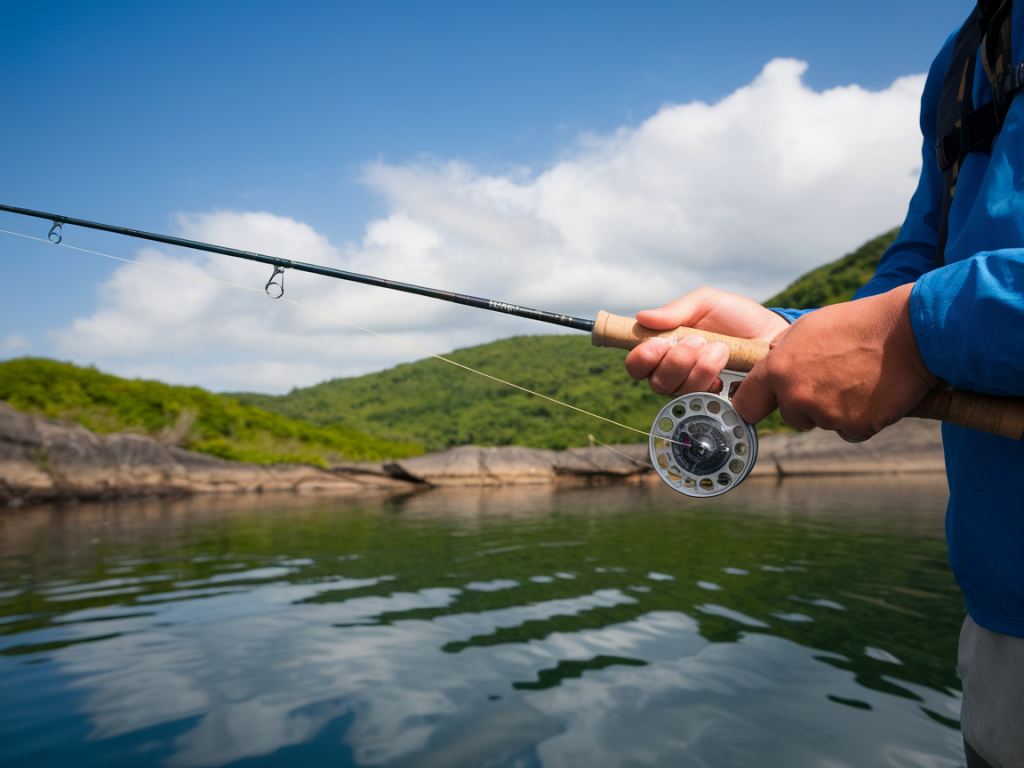
I remember the first evening I tried the 6in sabiki on an ultralight spinning reel: three quick rattles of the rod and the surface exploded with mackerel. What had previously been a slo-mo parade of single grabs and missed opportunities suddenly became a steady, noisy stream of silver sliding over my line. Swapping down to smaller hooks and a lighter reel didn’t just improve bite detection — it fundamentally changed the way the fish reacted to my presentation. Over the course of that week my hookups roughly tripled. Here’s why, how I rig mine, and what I learned so you can try it on your next summer harbour session.
Why smaller sabikis and ultralight reels work so well on harbour mackerel
Mackerel in summer harbours are often feeding on tight schools of small fry, glass eels, shrimp and sand eels. A full-size sabiki with bulky, flashy lures and heavy hooks can feel alien to a wary shoal; it’s big, noisy and sinks too fast. Going to a 6in sabiki with tiny size 8–12 hooks replicates the small, fast-moving prey they’re gorging on.
There are a few key reasons this combination boosts hookups:
My typical ultralight mackerel setup
I like to keep things simple and repeatable. Below is the gear I use most often and why each piece matters.
| Rod | 6’6”–7’ ultralight spinning rod, fast action (sensitive tip for taps, backbone to control runs) |
| Reel | Ultralight spinning reel (2000–3000 size) with smooth drag — I’ve used a Shimano Nasci 2500 and a Daiwa 2500 under this style |
| Line | 6–12lb braid (e.g. Sufix 832 braid 10lb) with a 12–20lb fluorocarbon shock leader or 8–15lb fluro for stealth |
| Sabiki | 6in sabiki, size 8–12 hooks, small baitfish-style flash and light white or pink fiber (I prefer slim profiles, not chunky feathers) |
| Weight | Split shot or 1/8–1/4oz lead, depending on tide strength — minimal weight to keep the sabiki in the feed zone |
How I rig and fish the 6in sabiki
Rigging a 6in sabiki for a light reel is different to the way I’d set up a heavy, boat-style sabiki. The goal is to keep drag low and presentation natural.
When to use this setup and when not to
This combination shines in specific conditions:
It can struggle when:
Common questions I get — and answers from real sessions
Will small hooks hold larger mackerel?
Short answer: yes, often they’ll hold up to average-sized mackerel (30–40cm), but if you’re targeting the biggest marauding fish you’ll want to upgrade to size 6 hooks and slightly heavier fluoro. For mixed shoals the 6in sabiki with size 8–10 hooks is a great compromise.
Are ultralight reels strong enough if fish run hard?
They are if you pick a quality reel with a smooth, reliable drag. Ultralights can struggle with long, heavy runs, but mackerel tend to fight in bursts and usually surface quickly. Set your drag light enough to prevent hook pulls but strong enough to stop long runs into structure. Brands like Shimano and Daiwa make 2500-size reels that handle this balance well.
How do I avoid tangles?
Short fluoro leaders, a neat spool (no over-filling), and keeping the sabiki close to the bottom of the cast while retrieving slowly reduce tangles. Also, never retrieve too aggressively; let the rig track through the water column rather than whipping it.
Handling and landing lots of mackerel
When hookups triple you need a fast system for getting fish off hooks and stored. I always keep:
Quickly unhook the fish and drop them into ice water. It keeps flesh firm and is kinder to the stock if you’re planning to release any. If you’re keeping fish to eat, a quick knock to the head and immediate bleed in ice water preserves quality.
Final practical tips from my harbour nights
Switching to a 6in sabiki and an ultralight reel changed more than my catch rate — it changed how I watch the water. Small tweaks in presentation reveal different behaviours in the same shoal, and once you tune into that, the harbour opens up in a whole new way. Tight lines and enjoy the racket of a proper mackerel bite.