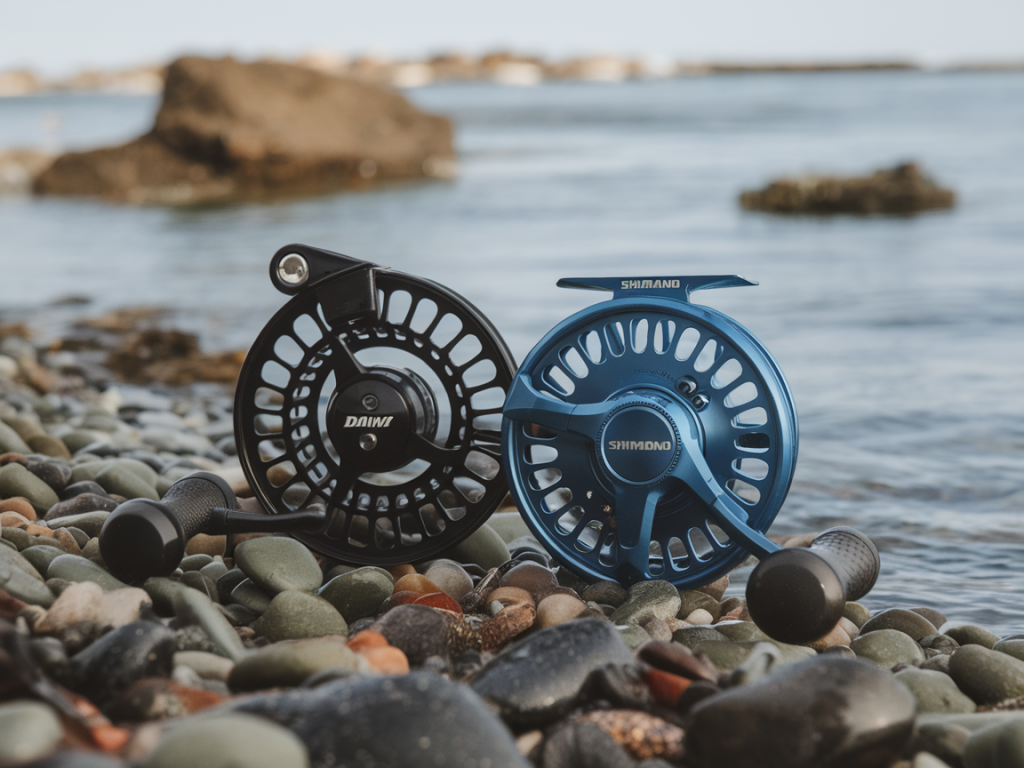
Picking the right shore reel drag for chasing sea bass from Welsh rocks and beaches has been something I’ve spent a lot of time experimenting with. The mechanics of a drag system matter more than people realise — it’s the difference between a long, tiring fight that ends in a lost fish and a controlled battle where you guide the bass to the net (or the lip). Below I walk through what I look for in a reel drag, the practical differences between key Daiwa and Shimano models I use, and the setup tips that actually make a difference on the bank.
Why the drag matters for shore bass fishing
Onshore, you don’t have the luxury of quick boat retrievals or slack water. Bass will run into snags, deep gutters and kelp beds. That means a drag that is smooth, predictable and strong enough to absorb those sudden surges is essential. I want a drag that will let the fish take line without jerking the hook loose, but also bring pressure when needed to prevent the bass reaching structure.
Key drag functions I prioritise are:
Front drag vs rear drag — which I prefer
Both systems can work well for bass, but I lean toward front drag reels for shore work. Here’s why:
On shore I want the extra stopping power and feel of a front drag, especially when fishing heavier braid and expecting larger bass.
What I look for in Daiwa and Shimano reels
Daiwa and Shimano both make excellent shore reels, but they take different approaches to drag tech. My checklist when comparing reels:
Models I use and why — my hands-on comparisons
I’ve spent seasons with mid-to-high-range offerings from both brands. The table below sums up how they feel and what I use them for.
| Model | Max Drag (approx) | Best for | Pros | Cons |
|---|---|---|---|---|
| Daiwa BG MQ (4000–5000) | 9–11 kg (20–24 lb) | Heavy shore use, big-cast sessions | Strong ATD drag, robust build, good price-to-performance | Not as highly sealed as premium models |
| Daiwa Certate (LT series) | 8–10 kg (18–22 lb) | Anglers wanting a refined feel and lighter weight | Smoother, precise drag, well-balanced, long-lasting | Higher cost |
| Shimano Stradic FK / FK 2024 | 7–10 kg (15–22 lb) | All-round shore fishing, great value | Very smooth drag, excellent anti-corrosion protection | Some prefer more max drag |
| Shimano Twin Power SW | 10–14 kg (22–30 lb) | Top-end saltwater shore work, big specimen hunting | Bulletproof construction, superb sealing and power | Heavy and expensive |
Practical setup tips I use on the shore
Beyond choosing a reel, how you set the drag and pair it with line will decide results. These are my non-negotiables:
How I maintain smooth performance over time
Even the best drag will degrade with neglect. My routine:
If you’re choosing between Daiwa and Shimano for shore bass, my practical experience is this: Daiwa often gives a robust, muscular feel and excellent value (BG MQ is a workhorse), while Shimano leans toward silky-smooth performance and excellent corrosion protection (Stradic and Twin Power SW shine here). For most coastal bass anglers a good 4000–5000 sized reel with 8–11 kg max drag and proper sealing hits the sweet spot.
If you’d like, tell me what rod, line and typical bass size you’re fishing for and I’ll suggest a precise reel/drag setup that matches your style and budget.