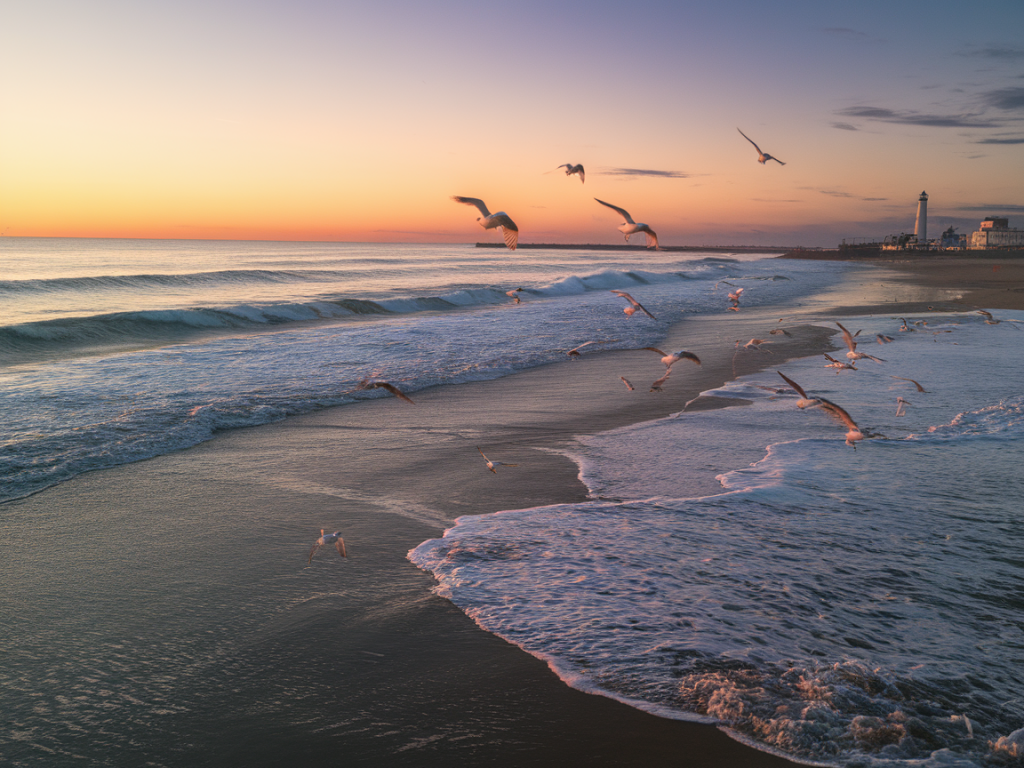
On Fishing In Wales Co I’m always looking for simple, repeatable ways to find fish without relying on luck. One method that’s become a staple of my shore approach combines old-school observation — gull behaviour and foam lines — with a modern assist: a cheap drone camera. When I line these pieces up, I can map likely feeding lanes from the bank and choose casts that consistently put bait in front of passing fish.
Why this method works
Coastal predators feed along predictable routes where currents, structure and bait congregate. You don’t always need to see the fish; you just need to spot where the food is concentrating. Gulls are excellent natural indicators because they hover over schools of bait. Foam lines, weed edges and slicks show surface flow and subtle current boundaries where prey gathers. A small drone lets me confirm and extend what I see from the cliff or beach, giving a bird’s-eye view of the same clues.
What I use
- Cheap drone camera: I use a budget model (under £300) with live video and at least 1080p — think DJI Mini SE or similar off-brand. It’s not about high-end features, it’s about portability and a stable feed.
- Polarised sunglasses: Essential for seeing foam lines and surface activity.
- Binoculars (8x): For checking gull behaviour farther out when the drone isn’t launched.
- Notebook or phone notes app: To sketch rough lane directions and mark GPS waypoints.
- Bait and rigs: Keep setups simple: a running ledger rig and a flapper/prawny bait setup for bass or a flattie rig for sole.
| Item | Why I bring it |
|---|---|
| Drone (budget) | Verify gulls/foam lines and locate baitballs from above |
| Polarised sunglasses | Spot surface patterns from the bank |
| Binoculars | Watch bird behaviour at distance |
| Phone/GPS | Record waypoints and make notes for later |
Step-by-step method
I’ll walk you through how I do it on a typical morning session. The steps are flexible — sometimes I start with the drone, sometimes with the gulls — but they always lead to the same goal: mapping likely feeding lanes and choosing where to cast.
- Scout from the bank. Before launching anything, I stand where I plan to fish and take a full scan of the water with polarised sunglasses and binoculars. I mark any long foam lines, slicks or weed edges. If gulls are concentrated in patches, I note their distance and direction. Early or late light often makes foam lines obvious; mid-day can hide them, so use birds more then.
- Read the birds. Gulls hovering in one spot usually mean a baitball is breaking up underneath. If they’re patrolling a line, it often follows a current seam. I watch for dives and for how often they return to the same place — repeated action means active feeding.
- Identify surface seams and foam lines. Foam tends to collect where two currents meet or where an eddy traps floating matter. These seams are promising because they concentrate plankton and small fry, which in turn attract predatory fish. From the bank, I follow the seam with my eyes and mentally extend it out to where I can’t see below the surface.
- Launch the drone for confirmation. When the birds and foam lines point to a likely area, I launch the drone and fly a slow reconnaissance pass parallel to the seam (keeping it within line-of-sight and following local drone regulations). I watch the live feed for:
- Dark patches or boilings — baitballs at or near the surface.
- Rising or chasing fish near the seam.
- Structure visible from above — rocks, gullies, weed beds.
- Map the feeding lane. With the drone footage and on-the-ground observations, I sketch a simple lane: direction of travel, approximate width, and the most active zone. I look for where the lane converges with structure (rock edges, drop-offs) because fish often use those features for ambushes.
- Choose your cast and presentation. For moving predatory fish I favour long-running baits that can be fished across the lane: a running ledger or a float with a long trace. If the lane runs past a reef or headland I’ll fish just ahead of the seam so that the bait drifts into the path. For surface-feeding bass schooling on sprats, lures cast across and retrieved along the lane often trigger immediate strikes.
- Keep the drone on standby. Once you start fishing, a quick relaunch or short hover can tell you whether the activity is staying put or has moved. Avoid excessive disturbance: keep altitude reasonable and land between checks.
Practical tips and safety
- Respect regulations: Drone use near crowded beaches, wildlife reserves or cliffs may be restricted. Always check local bylaws and the CAA (or your national regulator) rules before launching.
- Don’t spook the birds: If you notice the drone agitating gulls or seals, bring it down. Disturbing wildlife can ruin a feeding session and is bad practice.
- Battery planning: Budget for short flights. Cheap drones usually have 15–25 minutes of airtime; use bursts of 2–5 minutes for focused surveys.
- Weather limits: Wind and rain affect both the drone and your ability to read foam lines. If it’s gusty, trust the birds more than the drone.
- Keep it legal on fishing spots: Be mindful of other anglers’ privacy and safety — announce when you’re launching and avoid flying directly over people.
Common questions I get
- Is a cheap drone worth it? Yes. You don’t need cinema-grade footage to spot baitballs and seam lines. A budget drone with stable video and GPS is enough to extend your visibility beyond the shore.
- Will this work in winter? Less obvious surface activity in cold months can make birds harder to read, but foam lines and structure still concentrate food. In winter I lean on the drone more to find subtle bait patches.
- What species am I likely to find? Along Wales’ coast you’ll commonly connect with bass, pollack, cod and occasional gurnard or sole near seams and structure. Surface baitballs often signal bass or mackerel in season.
- Can I rely on this every session? No single method is foolproof. Use this as part of a toolkit: tides, moon phase, wind and local knowledge also matter. But pairing gulls and foam lines with drone confirmation improves your odds and reduces wasted casts.
When I get the alignment right — a singing line of foam, a cluster of hovering gulls and a drone feed that shows life underneath — it feels like the sea has handed me the map. That small, repeated win is why I keep refining this approach. Tight lines and careful flying.