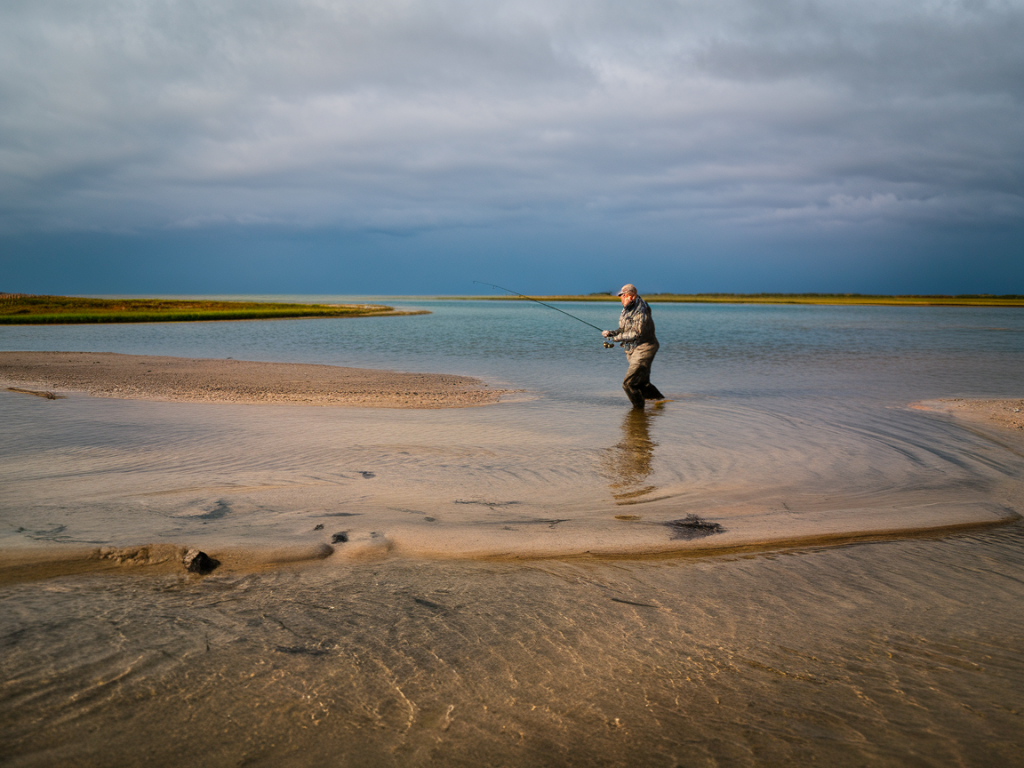
I love a low-tide microsession on sandy flats near estuaries — short, focused, and often deadly for flatfish if you pick the right slot. These sessions are the kind I plan around a coffee, a quick check of the tide app, and the knowledge that I’ve still got time to put a rig together and be back before the day gets busy. Here’s how I plan and fish those windows to maximise bites without spending a full day on the bank.
Why low-tide microsessions work for flatfish
Low tide concentrates flatfish on the shallows as the water retreats and leaves gullies, runs and channels that funnel bait. On sandy flats near estuaries, this means plaice, dabs and flounder relocate to the remaining water, feeding in creeks and along the edges of channels. A short, targeted session during the run of low water lets you fish these holding areas with minimal walking and fuss. I’ve had some of my best quick sessions — including double-figure plaice and multiple dabs — in under 90 minutes when I hit the right pocket at the right time.
Timing and tide planning
Start with tide tables and local knowledge. I use a combination of MagicSeaweed / Windy for tide times and a local harbour website for estuary-specific predictions. For a microsession you want to arrive approximately 30–45 minutes before low water and fish through the first 30–60 minutes of the flood. That window often sees flatfish staging to enter the flats as the water lifts bait out of channels.
- Arrive early: 30–45 minutes before low water to scout and set up.
- Prime fishing: The first 30–60 minutes of the flood — fish moving back onto the flat.
- Cross-reference: Check wind and swell: a strong onshore wind can push water onto the flat sooner and change the ideal window.
Choosing the spot on estuary sands
Not all sandy flats are equal. When I scout from the car or a nearby headland I’m looking for:
- Channels and runnels that hold deeper water — the edges are prime.
- Gullies leading from the estuary into the flat — fish use these routes.
- Transitions between sand and muddy patches — bait often gathers here.
- Signs of life: surface feeding, gulls, or baitfish marks on the sounder if you use one.
I almost always favour a spot where I can stand at mid-range casting distance from where fish will walk onto the flat as the tide rises. That way I cover the main runout route rather than casting blindly across open sand.
Rods, reels and line for a quick session
For microsessions I favour a fast, light-footprint setup that’s quick to cast and easy to move with. My go-to is a 10–12ft light-surflite rod (Shimano or Daiwa’s lighter shore rods), matched to a 2500–3000 spinning reel spooled with 10–12lb braid and a 15–20lb fluorocarbon shock leader.
- Rod: 10–12ft light to medium shore rod — gives me reach without being cumbersome.
- Reel: 2500–3000 size with smooth drag for quick hooksets.
- Line: 10–12lb PE braid + 1.5–2m 15–20lb fluorocarbon leader.
Rigs that catch flatfish on sand
Simplicity wins on short sessions. I usually fish one of two rigs depending on conditions:
- Two-hook flapper/paternoster: 2–3oz bank sinker, boom dropping 18–30in to a two-hook flapper with 1.5–2in hair rigs for lugworm or ragworm. Hooks: size 1 or 1/0 flatted flounder hooks.
- Running leger with short leader: 3oz pyramid if a tide is stronger, short 6–12in leader with a single hook and worm or peeler crab. This sits well on sand and is less likely to roll.
I keep pre-tied rigs in a small wallet in the car so I can swap quickly. For bait I favour fresh lugworm or chopped ragworm on sand; if the flat has peeler crab in season, I’ll switch to small soft crab pieces on a hair rig.
Presentation and cast strategy
Presentation is everything on a short session. I plan my casts to cover likely holding areas: just inside the edge of a runnel, across the mouth of a shallow channel or along a strip where sand turns to slightly stickier mud. Rather than long blind casts, I’ll make 3–5 deliberate casts covering key seams, then retrieve and rebait quickly.
- Cast slightly beyond the feature and allow bait to settle on the drop.
- Give the rig time to rest — flatfish often take slowly.
- Check the sinker every cast: if it drags a lot, switch to a slightly heavier weight.
Detecting bites on a short low-tide session
Flatfish bites on sand are often subtle — a slight lift, a soft turn on the line, or just the line going slack. I watch the tip and feel through the braid. On microsessions I’ll use a lightweight pointer bobbin or a simple tip action rod; anything that helps pick up half-twitches. When in doubt, strike gently and hold — you’ll often foul-hook small fish if you strike like a bass angler.
Safety, access and local regs
Estuary flats can be deceptively dangerous. Tides run fast and channels can fill quickly. I always:
- Park where escape routes are obvious and don’t cut myself off by walking too far onto the flats.
- Check local byelaws — some estuaries have closed seasons for certain species.
- Wear a hi-vis or carry a whistle and phone in a dry bag.
Respecting local regs and the environment is non-negotiable for me — I take only what I need, handle fish carefully and never leave litter on the bank.
Quick gear checklist for the car
| Essentials | Why |
| Pre-tied rigs | Fast swaps between casts |
| Small bait box (lug/rag) | Fresh, attractive baits |
| 10–12ft rod & 2500–3000 reel | Reach + control |
| Pyramid/Bank sinkers 2–4oz | Adjust to tide strength |
| Landing net & gloves | Safe handling & quick release |
| Phone, tide app & torch | Timing & safety |
What I do when nothing bites
If the first 30 minutes are dead, I don’t panic. I move 100–200 metres along the flat to another channel or slightly deeper run and try different bait presentations — softer cut ragworm, peeler crab, or small sandeel strips in season. Sometimes a simple change of angle or weight finds the fish. The key is keeping the session short and productive: if I haven’t had a bite after an honest hour, I’ll call it and plan for the next tide.
These microsessions have taught me to be observant, nimble and prepared. With the right timing, a compact kit and a few pre-tied rigs, you can turn a coffee break into a memorable low-tide session on Wales’ sandy estuary flats.